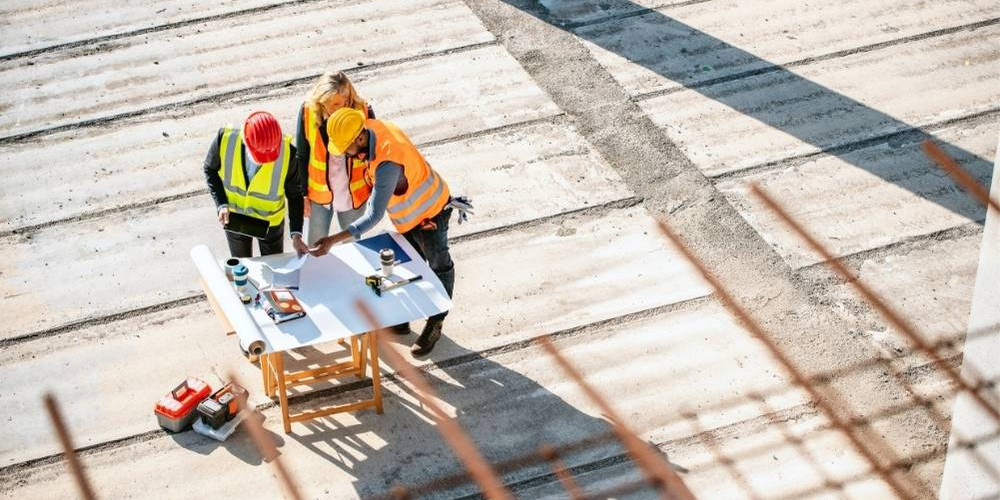
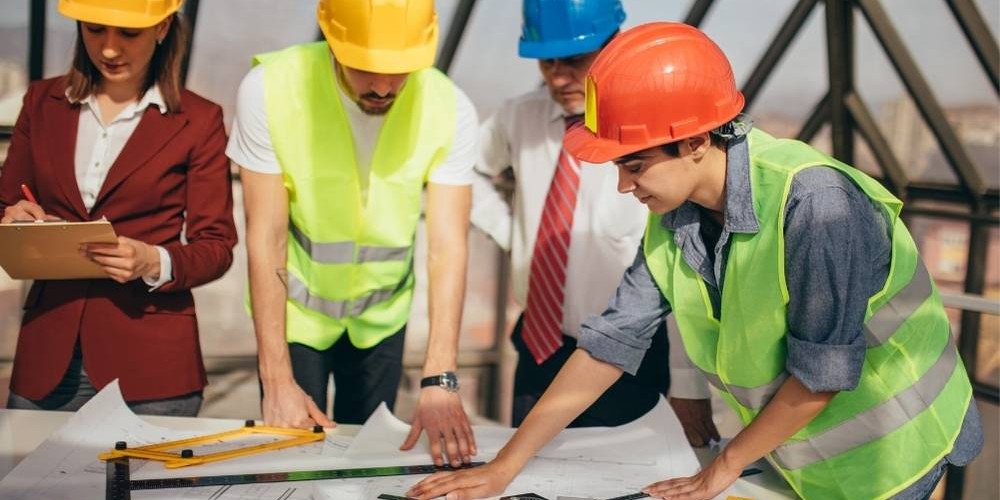
Construction projects are complex undertakings that involve multiple teams, strict timelines, and significant financial investment. From initial planning to final completion, many factors can influence whether a project runs smoothly or encounters difficulties. While challenges are common in the construction industry, understanding them and preparing effective solutions can significantly improve project outcomes.
By identifying potential obstacles early and implementing strategic management practices, project teams can minimise disruptions and keep construction projects on track.
Below are some of the most common construction project challenges and practical ways to overcome them.
1. Project Delays and Scheduling Issues
One of the most frequent challenges in construction is project delays. These delays can occur for many reasons, including weather conditions, supply chain disruptions, or unexpected technical issues.
To minimise scheduling problems, project managers should develop detailed timelines that account for potential risks and include contingency plans. Regular progress reviews also help ensure that tasks remain aligned with the overall schedule.
Clear communication between teams can further reduce delays by preventing misunderstandings and ensuring everyone understands their responsibilities.
2. Budget Overruns
Construction projects often face financial challenges when costs exceed the original budget. Budget overruns may result from inaccurate estimates, material price fluctuations, or changes in project scope.
To control costs effectively, it is important to establish realistic budgets and maintain continuous financial monitoring throughout the project. Accurate cost estimation, careful procurement planning, and regular financial reviews can help prevent unexpected expenses.
Maintaining transparency between stakeholders also ensures that financial adjustments can be made quickly when needed.
3. Communication Breakdowns
Construction projects involve architects, engineers, contractors, suppliers, and project managers working together. Without clear communication, misunderstandings can lead to errors, delays, and duplicated work.
Establishing structured communication channels helps ensure that all teams remain informed about project updates and changes. Regular meetings, shared documentation platforms, and clear reporting systems can significantly improve collaboration.
Strong communication is essential for keeping all project participants aligned with the same goals.
4. Resource and Material Management
Construction sites rely on the timely delivery of materials, equipment, and skilled labour. Poor resource management can cause work stoppages or inefficiencies that slow down progress.
Effective resource planning ensures that materials arrive when needed and that labour is scheduled appropriately. Coordinating procurement schedules with construction timelines helps avoid shortages or excess inventory.
Proper planning also helps reduce waste and improve overall productivity on site.
5. Safety and Compliance Risks
Construction sites present various safety hazards, making safety management a critical aspect of project success. Failing to follow safety protocols can lead to accidents, legal complications, and project interruptions.
Implementing strict safety procedures, conducting regular safety inspections, and providing proper training for workers can significantly reduce risks.
Maintaining compliance with local regulations and industry standards also protects both workers and project stakeholders.
6. Changes in Project Scope
Scope changes, sometimes referred to as “scope creep,” occur when additional requirements are introduced after the project has already begun. While some adjustments may be necessary, frequent changes can disrupt timelines and increase costs.
To manage scope effectively, project managers should clearly define project requirements during the planning stage and maintain detailed documentation. Any requested changes should be carefully evaluated before implementation to understand their impact on time and budget.
A formal change management process helps maintain control over project modifications.
7. Quality Control Challenges
Ensuring consistent construction quality can be difficult when multiple teams and subcontractors are involved. Poor workmanship or substandard materials can compromise the durability and safety of the finished structure.
Regular inspections and quality assurance procedures help maintain high construction standards. Clear guidelines and supervision ensure that all work meets the required specifications.
Investing in quality control during construction also reduces the likelihood of costly repairs or adjustments later.
The Importance of Proactive Project Management
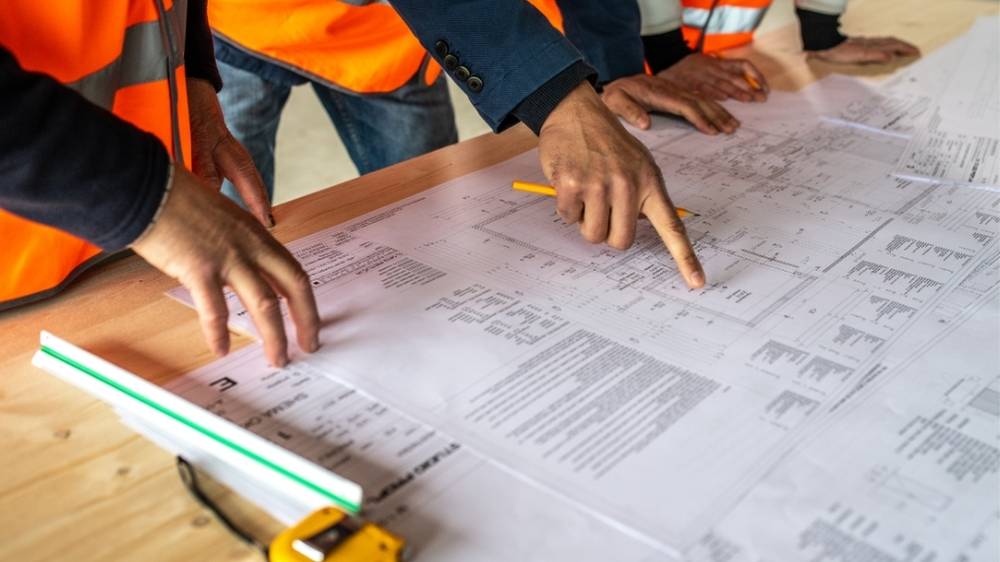
Successfully managing construction challenges requires proactive leadership and careful planning. Project managers who anticipate potential risks are better equipped to respond quickly when issues arise.
Key strategies for proactive project management include:
- Detailed project planning and scheduling
- Consistent communication between teams
- Effective resource allocation
- Regular performance monitoring
- Risk assessment and contingency planning
These practices help ensure that projects remain organised and adaptable even when unexpected situations occur.
Conclusion
Construction projects naturally involve challenges, but with strong planning and management, these obstacles can be effectively addressed. Issues such as scheduling delays, budget overruns, communication breakdowns, and resource shortages can all be mitigated through careful coordination and proactive decision-making.
By focusing on clear communication, structured planning, and consistent quality control, project teams can navigate common construction challenges and deliver successful outcomes.
Ultimately, overcoming these challenges not only improves project efficiency but also strengthens the reliability and reputation of construction operations.