
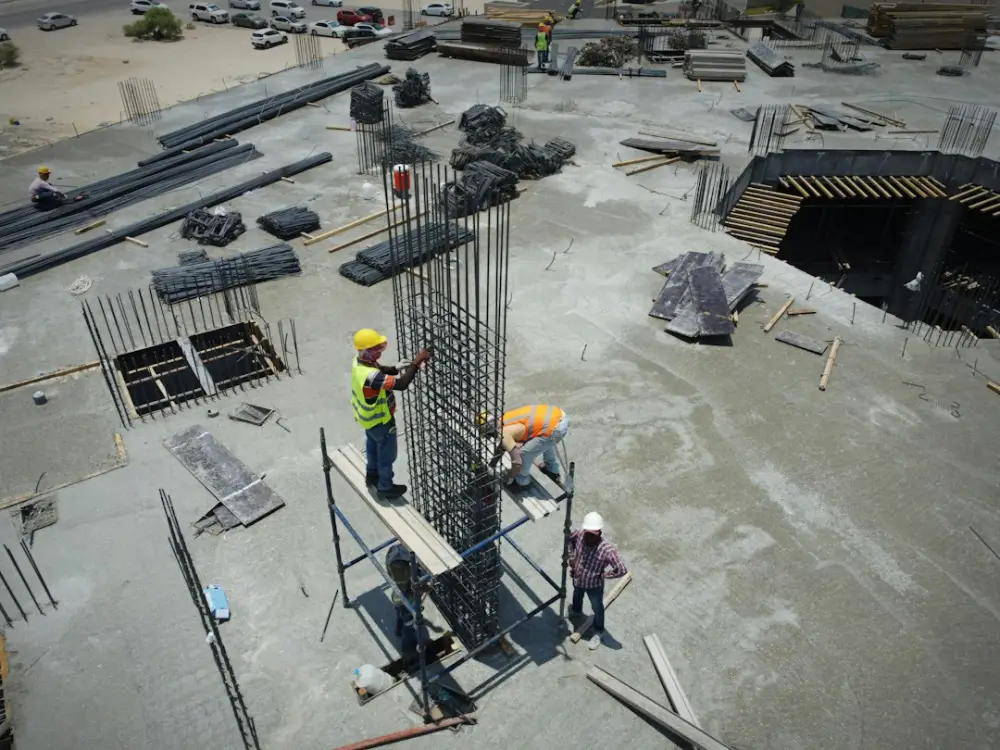
Communication between field leaders and project managers is the systematic exchange of data, updates, and feedback between on-site supervisors and office-based management. This bridge ensures that project timelines, resource allocation, and safety protocols align with real-world conditions, preventing costly delays and ensuring that strategic goals are met through clear, actionable information sharing.
In practice, this exchange functions as the nervous system of a construction project. When a superintendent identifies a subgrade issue that differs from the geotechnical report, the speed and clarity with which that information reaches the project manager (PM) dictates whether the solution is a minor adjustment or a week-long work stoppage that blows the budget.
Defining Field-to-Office Communication
At its most practical level, communication between the field and the office is about translating physical progress into administrative data and vice versa. Field leaders, such as superintendents and foremen, focus on the immediate execution of tasks, safety, and crew management. Project managers focus on the contractual obligations, financial health, and long-term scheduling of the build. Without a structured flow of information, these two groups can easily drift into silos where the office is making decisions based on outdated site conditions.
Consider the Request for Information (RFI) process. A field leader on a commercial high-rise project might notice that the specified mechanical ducting clashes with a structural steel beam. If the communication channel is weak, the foreman might try to work around it on the fly, potentially violating code or interfering with other trades. In a healthy communication environment, the field leader captures a photo, notes the exact grid line, and sends a formal RFI to the PM. The PM then coordinates with the structural engineer to provide a certified solution, ensuring the project remains compliant and the field team isn't spinning their wheels.
The Importance of PM and Field Alignment
Alignment is the difference between a project that runs smoothly and one that suffers from constant friction. When PMs and field leaders are out of sync, the most common casualty is the schedule. Effective effective site coordination improves project outcomes by ensuring that the person ordering the materials knows exactly when the person installing them is ready. If a PM orders three truckloads of drywall for a Tuesday delivery, but the field leader knows the building isn't dried in yet due to a roofing delay, a lack of alignment results in damaged materials and wasted labor costs for double-handling.
A concrete example of this alignment occurs during the weekly OAC (Owner-Architect-Contractor) meetings. The PM needs accurate, real-time data from the field to report progress to the owner. If the field leader provides vague updates like "we're moving along," the PM cannot defend the schedule or request necessary extensions. However, if the field leader provides specific metrics—such as "the third-floor slab is 60% poured, and we are on track for the remaining 40% by Thursday"—the PM has the leverage needed to manage the client’s expectations and secure future resources.
Key Communication Skills for PMs
Project managers often act as the lead translator between technical blueprints and operational reality. To do this well, they must possess a blend of technical literacy and situational empathy. A PM who has never spent time in the mud may struggle to understand why a specific task is taking longer than the estimating software predicted. Developing the skill of asking clarifying questions rather than issuing directives is vital. Instead of asking "Why is the plumbing behind?", a skilled PM asks, "What specific site conditions are preventing the rough-in from staying on schedule?"
Clarity in documentation is another essential skill. When a PM issues a change order, it must be written in a way that is actionable for the field. For example, on a residential development, a change order that simply says "upgrade kitchen fixtures" is useless to a foreman. A clear PM will list the specific manufacturer, model numbers, and the revised installation locations. This level of detail prevents the "do-it-twice" scenario that plagues projects with poor office-to-field instructions. By mastering these skills, PMs build trust with the field, proving that they are there to support the build, not just monitor the spreadsheets.
Building a Communication Framework
For communication to be consistent, it cannot rely on the personalities of the individuals involved; it must be built into the project’s structure. A standardized framework ensures that even under the stress of a deadline, critical information is not lost. Beginners in project coordination should follow a structured approach to establishing these channels early in the pre-construction phase.
- Establish Primary Channels: Decide which tools will be used for specific types of information. For example, use a dedicated project management software for RFIs and submittals, but use a specific messaging app for immediate safety alerts or daily logistics updates.
- Set a Reporting Cadence: Define when the office expects updates from the field. A daily log should be submitted by the end of each shift, while a more detailed weekly progress report might be due every Thursday afternoon to prepare for Friday planning sessions.
- Standardize Terminology: Ensure everyone is using the same language. On a large site, "the north wing" might mean different things to different trades. Standardizing references to grid lines or room numbers prevents confusion.
- Create a Feedback Loop: Schedule a brief, 15-minute daily "stand-up" or "tailgate" meeting between the PM and the site superintendent. This is not for deep dives but for identifying immediate roadblocks for the next 24 hours.
- Document the Undocumentable: Encourage field leaders to take photos of anything that will be covered up by walls or slabs. These photos should be uploaded to a shared server immediately, providing the PM with a visual record that can resolve future disputes. ol>
An example of this framework in action is the use of a digital dashboard. When a foreman marks a task as "complete" on their tablet, the PM’s budget tracking software automatically updates the percent-complete for that line item. This removes the need for manual data entry and reduces the risk of human error.
Improving Feedback via Active Listening
Active listening is often overlooked in the high-pressure environment of a job site, yet it is the most effective tool for uncovering hidden project risks. Field leaders are the first to notice subtle changes in subcontractor performance or material quality. If a PM dismisses a superintendent’s concerns about a specific subcontractor's lack of manpower, they are ignoring an early warning sign of a major schedule slip. Using the complete guide to managing modern site techniques involves creating an environment where the field feels heard.
Consider a scenario where a site lead mentions that the soil on the south side of the excavation feels "spongy" after a light rain. A PM who isn't practicing active listening might just check the weather report and move on. An active listener, however, would recognize this as a potential drainage or compaction issue and suggest a quick inspection before the foundation is poured. This type of proactive feedback loop saves thousands of dollars in potential remediation work. By validating the field leader's observations, the PM encourages a culture of transparency where problems are surfaced early rather than hidden until they become disasters.
Tools for Field and Office Data
The transition from paper blueprints and carbon-copy daily logs to digital platforms has revolutionized how field and office teams interact. Modern project management software allows for a single version of the truth. When a change is made to a drawing in the office, it is instantly pushed to the tablets of every foreman on site. This eliminates the risk of a crew building off an outdated set of plans—a mistake that can cost weeks of rework in complex trades like electrical or HVAC.
Specific tools like 360-degree cameras and drone surveys provide the office with a "god’s eye view" of the site without requiring the PM to spend three hours walking the grounds every day. For instance, a PM can use a drone-generated point cloud to verify the volume of an earthwork stockpile, comparing it against the invoices from the hauling company. Meanwhile, the field leader can use the same digital platform to flag a safety hazard, tagging the exact location on a GPS-enabled site map so the safety officer can find it instantly. These tools don't replace communication; they provide the high-fidelity data that makes communication more effective.
Next Steps for Better Coordination
Improving the relationship between the trailer and the office is a continuous process of refining how data is captured and shared. Field leaders should focus on providing specific, measurable updates, while project managers must ensure they are providing the field with the resources and clear directions needed to execute the plan. Success in this area is measured by fewer RFIs, reduced rework, and a site culture that prioritizes collective problem-solving over finger-pointing.
At Site Assyst, we focus on bridging these gaps by providing practical insights into site coordination and trade knowledge. Whether you are a PM looking to better support your crews or a field leader aiming to streamline your reporting, understanding the mechanics of communication is essential. By applying these standardized frameworks and leveraging modern data tools, you can ensure that your project remains on track and that the transition from the office's vision to the field's reality is as seamless as possible. Site Assyst continues to develop resources that help trade professionals and managers master the complexities of the modern construction environment.