
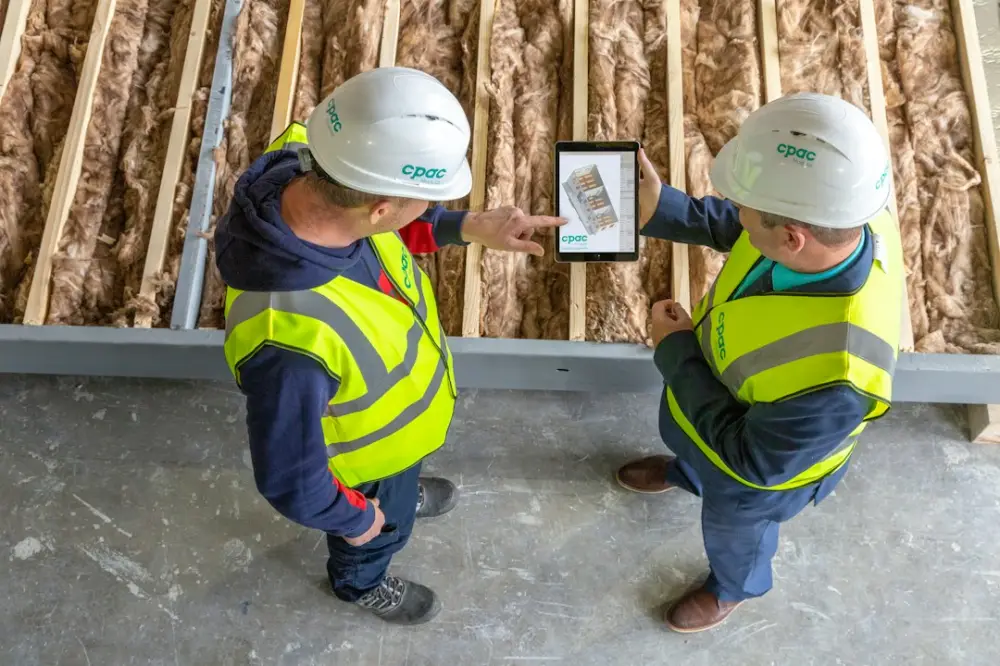
The construction industry in 2026 places a significant emphasis on verified competency and the standardization of trade skills. For carpenters working on large-scale commercial or residential projects, the ability to prove their technical proficiency is no longer optional. Site managers and developers require clear evidence that every operative on-site understands modern building regulations, safety protocols, and precision craftsmanship. This shift toward a more regulated workforce ensures that project timelines are met with fewer errors and that structural integrity remains a top priority across the board.
Practical trade knowledge is often gained through years of experience on the tools, but translating that experience into a recognized qualification is a critical step for career progression. National Vocational Qualifications (NVQs) provide a framework where a carpenter’s actual work on a live site is used as the basis for their certification. This approach values hands-on skill as much as theoretical understanding, making it an ideal path for those who have spent their lives in the trade but lack the formal paperwork to move into higher-tier roles or specialized subcontracting.
The Structure of Carpentry Qualification Frameworks
NVQs in the carpentry sector are divided into different levels, each reflecting a specific tier of responsibility and technical skill. A Level 2 qualification is generally considered the standard for a competent site carpenter. It covers essential tasks such as installing floor joists, erecting stud partitions, fitting door frames, and basic roofing structures. This level proves that the individual can work safely and effectively within a team, following technical drawings and adhering to standard site procedures.
For those looking to advance, a Level 3 qualification focuses on more complex tasks and supervisory potential. At this level, the assessment includes intricate work such as constructing curved timber components, installing complex roofing structures, and managing the work of others. It requires a deeper understanding of geometry, material science, and project management. Achieving this higher level often leads to the Gold CSCS card, which signifies a highly skilled worker or a working foreman. The distinction between these levels allows site coordinators to assign tasks based on verified skill sets, reducing the risk of substandard work on critical structural elements.
The Process of On-Site Assessment and Training
One of the most practical aspects of modern trade qualifications is the On-Site Assessment and Training (OSAT) route. This method is designed for experienced workers who do not have the time to attend traditional college courses. Instead of sitting in a classroom, the carpenter is assigned an assessor who visits them at their place of work. The assessor observes the carpenter performing their daily tasks, ensuring that they meet the specific criteria set out in the national standards. This might include checking the accuracy of a door hang or the stability of a newly installed staircase.
During these visits, the assessor looks for more than just the end product. They evaluate tool maintenance, the correct use of personal protective equipment (PPE), and the carpenter's ability to keep a clean and organized workspace. Evidence is gathered through a combination of direct observation, professional discussions, and witness testimonies from site managers or foremen. This real-world evidence ensures that the qualification truly reflects the individual’s ability to handle the pressures and variables of a live construction environment.
Site Coordination and Compliance Requirements
From a management perspective, having a workforce that holds recognized certifications is essential for insurance compliance and health and safety audits. Site managers frequently prioritize subcontractors who can demonstrate a high level of competency through formal documentation. Securing a Carpentry NVQ ensures that an operative meets the national standard required for high-tier commercial projects and can operate without constant supervision. This certification serves as the primary evidence for the Blue or Gold CSCS card, which are mandatory for entry onto most major development sites in 2026.
When a site is fully staffed by qualified professionals, the coordination of different trades becomes significantly smoother. For example, a qualified carpenter understands the importance of fire-stopping and how their work interacts with the electrical and plumbing first-fix stages. This holistic understanding of the building process prevents the need for remedial work later in the project. It also allows site coordinators to delegate responsibilities with confidence, knowing that the structural and finishing work will meet the required building codes without constant micro-management.
Digital Portfolios and Evidence Gathering
The method of documenting trade skills has evolved significantly. In 2026, most assessments utilize digital portfolios where carpenters can upload photographic and video evidence of their work directly from their smartphones. This allows for a continuous stream of evidence rather than a single high-pressure exam. A carpenter might record a time-lapse of a roof truss installation or take detailed photos of the moisture membrane application around a window frame. This article provides general information regarding trade qualifications and does not constitute professional career or legal advice.
These digital records are then reviewed by the assessor remotely, supplemented by occasional site visits. This modern approach reduces the administrative burden on the carpenter and allows them to focus on the quality of their craft. It also provides a transparent record of work that can be used to demonstrate competency to future employers. Site managers also benefit from this transparency, as they can verify the specific areas of expertise an operative has been assessed in, ensuring the right person is assigned to the right task.
Specialized Skill Sets and Modern Timber Products
The carpentry trade is constantly adapting to new materials and construction methods. The modern NVQ framework includes modules that cover engineered wood products such as Cross Laminated Timber (CLT) and Glulam beams. These materials require different handling and fixing techniques compared to traditional softwood or hardwood. A qualified carpenter must demonstrate they understand the load-bearing properties of these materials and the specific hardware required for their installation.
Additionally, there is a growing focus on airtightness and thermal bridging in modern timber frame construction. Carpenters are now assessed on their ability to install vapor barriers and insulation with the precision required to meet high energy-efficiency standards. This specialization is becoming a key differentiator in the job market. Those who can prove their proficiency in these sustainable building techniques through their NVQ are often in higher demand for eco-friendly housing developments and high-performance commercial builds.
Maintaining Professional Standards and Safety
Health and safety remain the foundation of any trade qualification. The assessment process includes a rigorous review of the carpenter’s knowledge regarding current safety legislation. This includes the correct use of power tools, working at height, and the safe handling of heavy materials. By integrating safety into every module of the qualification, the industry ensures that best practices are not just learned once but are applied consistently on every job.
Long-term career development for tradespeople often involves moving from the tools into management or specialized consultancy. An NVQ acts as the bridge between these phases of a career. It provides the academic credit required to enroll in higher-level diplomas or degrees in construction management. By maintaining these professional standards, the carpentry trade continues to be respected as a highly skilled and essential component of the global construction industry, ensuring that the buildings of the future are constructed with both precision and safety.