Managing a modern construction site involves more than just overseeing workers and materials. Today’s construction projects are complex operations requiring careful planning, efficient communication, and advanced technology to keep everything running smoothly. Effective site management ensures projects are completed on time, within budget, and to the required quality standards while maintaining safety and compliance.
This guide provides a comprehensive overview of best practices for managing modern construction sites, helping project managers, supervisors, and contractors optimize operations and achieve success.
What Modern Construction Site Management Entails
Site management involves coordinating every aspect of a construction project, including:
- Workforce scheduling and supervision
- Material and equipment procurement
- Safety compliance and risk management
- Task allocation and progress monitoring
- Communication with stakeholders
By managing these elements effectively, construction managers can minimize delays, reduce costs, and maintain high-quality outcomes.
Planning and Scheduling
Proper planning is the foundation of successful site management. A detailed construction schedule outlines project phases, deadlines, and task dependencies. Planning should also account for potential risks, weather delays, and supply chain issues.
Key tips for effective planning:
- Break projects into manageable phases
- Set realistic timelines for each task
- Include buffer time for unforeseen delays
- Review and adjust plans regularly
Effective scheduling ensures that teams know what to work on, when, and how their tasks fit into the overall project timeline.
Communication and Collaboration
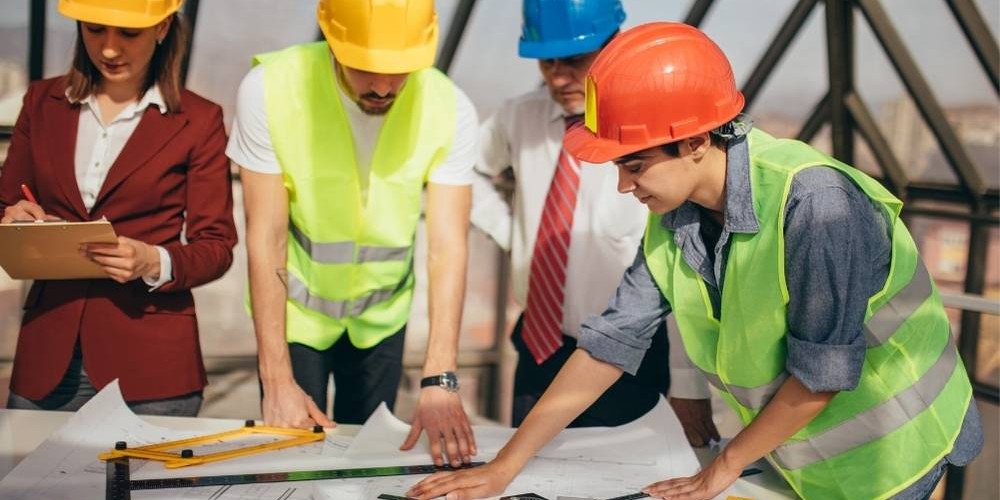
Modern construction sites involve multiple teams: architects, engineers, contractors, and suppliers. Poor communication can lead to errors, duplicated work, or costly delays.
To improve collaboration:
- Hold regular site meetings
- Use digital platforms for real-time updates
- Clearly define roles and responsibilities
- Maintain an open channel for questions and feedback
Good communication ensures everyone is aligned with project goals and changes are implemented efficiently.
Resource Management
Efficiently managing labor, materials, and equipment is critical to keeping projects on track. Mismanaged resources can lead to delays, cost overruns, and reduced productivity.
Best practices include:
- Scheduling deliveries to avoid on-site congestion
- Tracking equipment usage and availability
- Monitoring inventory levels to prevent shortages
- Assigning labor based on skill sets and workload
Optimized resource management keeps construction operations smooth and cost-effective.
Safety and Compliance
Safety is a top priority on any modern construction site. Implementing strict safety protocols, providing training, and conducting regular inspections reduce the risk of accidents.
Safety management tips:
- Ensure all workers are trained on site procedures
- Use protective gear and enforce safety guidelines
- Monitor high-risk areas closely
- Keep detailed safety records for compliance
Maintaining safety not only protects workers but also prevents delays due to accidents or regulatory issues.
Quality Control
Maintaining high standards of workmanship is essential for long-term project success. Regular inspections, clear specifications, and adherence to industry standards ensure quality at every stage.
Steps for effective quality control:
- Inspect materials upon delivery
- Monitor ongoing construction work
- Document completed tasks
- Correct defects promptly
High-quality construction reduces the likelihood of costly repairs and increases client satisfaction.

Leveraging Technology
Modern construction sites benefit greatly from digital tools and technologies. Software for project management, scheduling, and communication helps streamline operations and improve decision-making.
Key technology applications include:
- Real-time progress tracking
- Digital documentation and reporting
- Remote collaboration tools
- Predictive analytics for resource optimization
Using technology allows managers to make data-driven decisions and respond quickly to challenges.
Conclusion
Managing a modern construction site requires a combination of planning, communication, resource management, safety oversight, quality control, and technology adoption. By implementing best practices in these areas, construction managers can ensure projects run efficiently, remain on budget, and meet high-quality standards.
Investing in effective site management not only enhances operational performance but also supports long-term success and client satisfaction in the competitive construction industry.