
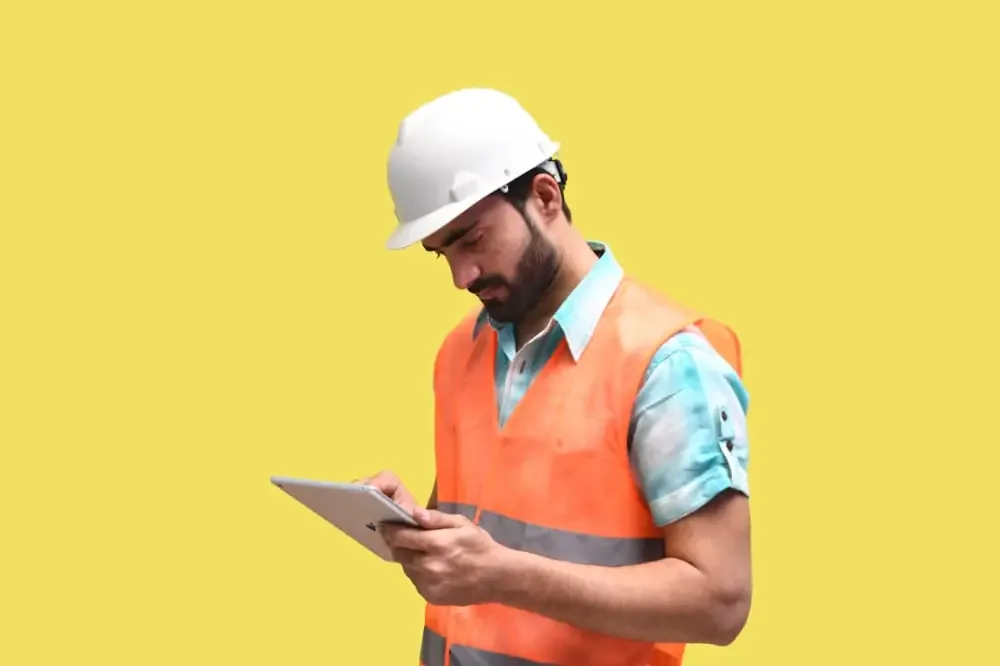
The Quiet Revolution of Information on the Modern Site
There was a time, not so long ago, when the rhythm of a construction site was dictated solely by the physical: the weight of the sledgehammer, the roar of the diesel engine, and the grease-stained blueprints spread across a makeshift plywood table. In those days, knowledge was a localized commodity. What a site supervisor knew was often limited to their personal experience or the collective memory of their immediate crew. If a problem arose that sat outside that circle of wisdom, the solution was often found through expensive trial and error.
By leveraging digital resources, managers can focus on mastering site coordination to ensure their teams stay aligned and productive throughout the project lifecycle.
Today, as we look across the skeletal frames of rising skyscrapers and the sprawling footprints of new infrastructure, a different kind of tool is quietly reshaping the landscape. It isn’t made of steel or concrete, but of data and discourse. Digital trade publications have moved from the periphery of the industry to its very core, fundamentally changing how construction sites operate. This shift is not merely a change in medium—from paper to screen—but a profound evolution in how we think about the craft of building.
From Static Archives to Living Knowledge
In the past, industry journals were monthly artifacts. By the time a physical magazine reached a site office, the news was often weeks old, and the technical advice, while valuable, was static. In the fast-paced environment of a modern project, where supply chain disruptions or regulatory changes can happen in an afternoon, the lag of print felt increasingly out of step with reality.
The transition to digital trade journals like Site Assyst represents a shift toward 'living knowledge.' We are no longer waiting for the information to find us; we are engaging with a stream of consciousness that mirrors the speed of the projects we manage. This immediacy has fostered a culture of proactive problem-solving. When a project manager encounters a unique challenge in site coordination, they are no longer an island. They are connected to a global brain-trust of peers and experts who have likely faced, and documented, that exact hurdle just hours prior.
Bridging the Gap Between Theory and the Hard Hat
One of the most reflective aspects of this digital migration is how it has democratized expertise. Historically, there was a perceived barrier between the 'intellectual' side of engineering and the 'practical' side of site labor. Digital publications have begun to dissolve this wall. By providing high-level insights in accessible, mobile-friendly formats, the wisdom of the industry is now available to the person standing in the mud, not just the executive in the glass office.
This accessibility encourages a deeper sense of ownership at every level of the hierarchy. When a foreman can read a reflective piece on the nuances of modern safety protocols or the benefits of a new lean construction methodology during their lunch break, they aren't just following orders—they are internalizing a philosophy. They begin to see their work not as a series of isolated tasks, but as part of a larger, evolving tradition of excellence.
The Transformative Powers of Digital Trade Media
Why exactly are these digital platforms having such a significant impact now? It is a combination of technology meeting a desperate need for efficiency. Here are several ways these publications are changing the daily operations of construction sites:
- Real-Time Regulatory Updates: Safety standards and environmental regulations are in a constant state of flux. Digital journals provide instant alerts, ensuring that site operations remain compliant without the delay of traditional communication channels.
- Case Studies in Failure and Success: Perhaps the most valuable content is the honest reflection on project challenges. By reading about how others overcame specific site hurdles, managers can bypass the 'learning curve' and implement proven strategies immediately.
- Technological Integration: As sites adopt BIM (Building Information Modeling) and IoT sensors, digital publications provide the necessary context to make sense of these tools, turning raw data into actionable site management strategies.
- Community and Connectivity: The comment sections and forums associated with digital journals create a sense of professional community, reducing the isolation often felt by those managing remote or high-pressure sites.
The Human Element: Empathy Through Shared Experience
Beyond the technical and the tactical, there is a more subtle, introspective change occurring. Construction is an industry of immense pressure. The stakes are high, the budgets are tight, and the physical risks are real. In the pages of digital trade publications, there is an increasing focus on the human element—mental health, leadership ethics, and the psychological weight of management.
By sharing stories that reflect the internal struggles of site leadership, these publications are fostering a culture of empathy. We are beginning to realize that the 'modern construction site' is not just a collection of machines and materials, but a complex ecosystem of human beings. When we read a reflective piece on overcoming project challenges, we aren't just looking for a technical fix; we are looking for a sign that we are not alone in our frustrations or our aspirations.
A Future Built on Shared Wisdom
As we look forward, the role of digital trade journals will only deepen. We are entering an era where the 'smart' site will be defined not just by its equipment, but by the quality of the information flowing through it. The ability to reflect on our processes, to learn from the collective mistakes of the industry, and to adapt in real-time is the new competitive advantage.
The transformation of construction site operations is, at its heart, a story of connection. Digital trade publications have taken the fragmented pieces of our industry's wisdom and woven them into a cohesive, accessible whole. For the site manager standing in the early morning mist, looking out over a silent project before the work begins, the knowledge that the entire industry's experience is just a tap away is more than just a convenience—it is a fundamental shift in what it means to build in the 21st century.